About Me
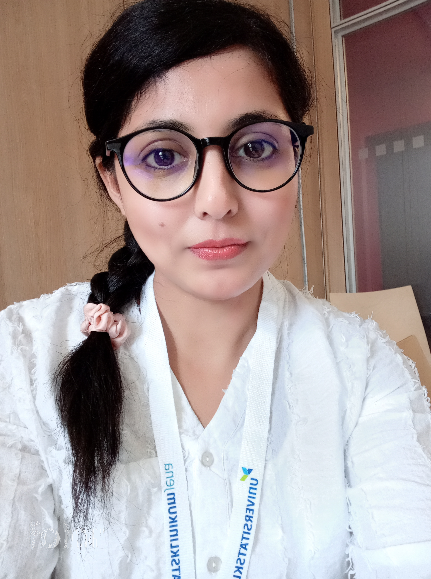
I am Aamina, a biomolecular researcher with interests in RNA biology, protein science, and metabolic disease. My research focuses on understanding how biomolecules regulate gene expression and cellular function in health and disease. I am particularly interested in the molecular mechanisms that drive disease processes, including cancer and metabolic disorders, and in developing innovative biomolecular technologies for diagnostics and therapeutic applications.
My interest in RNA biology began during my master’s research on miR-145 as a biomarker for breast cancer, where I became interested in how RNA molecules influence disease and their potential in therapeutic strategies.
Currently, I aim to integrate my background in cancer biology with biomolecular research to investigate how RNA and proteins coordinate gene regulation in complex diseases, and how these insights can be translated into innovative diagnostic and therapeutic technologies.
Beyond research, I am interested in science communication and mentoring, with a focus on making complex scientific ideas accessible and understandable.
My Journey from a Village Without a Classroom to an International Researcher
I grew up in a small village in Pakistan where formal classrooms were not always available. Without structured schooling, I studied through borrowed books and self-guided learning, passing national exams through persistence and discipline. That experience shaped how I approach science today, with curiosity, resilience, and a strong sense of ownership over my learning.
This path led me into molecular biology and international research across Pakistan, Germany, and Portugal, where I now investigate RNA regulation and biomolecular dynamics in disease. The same mindset that once helped me learn without a classroom continues to guide how I approach research: asking questions, building understanding from first principles, and adapting to new scientific challenges.
A journey shaped by self-learning, persistence, and scientific curiosity.
My Timeline
1995 – 2013
Earlier Education | Self-taught learner
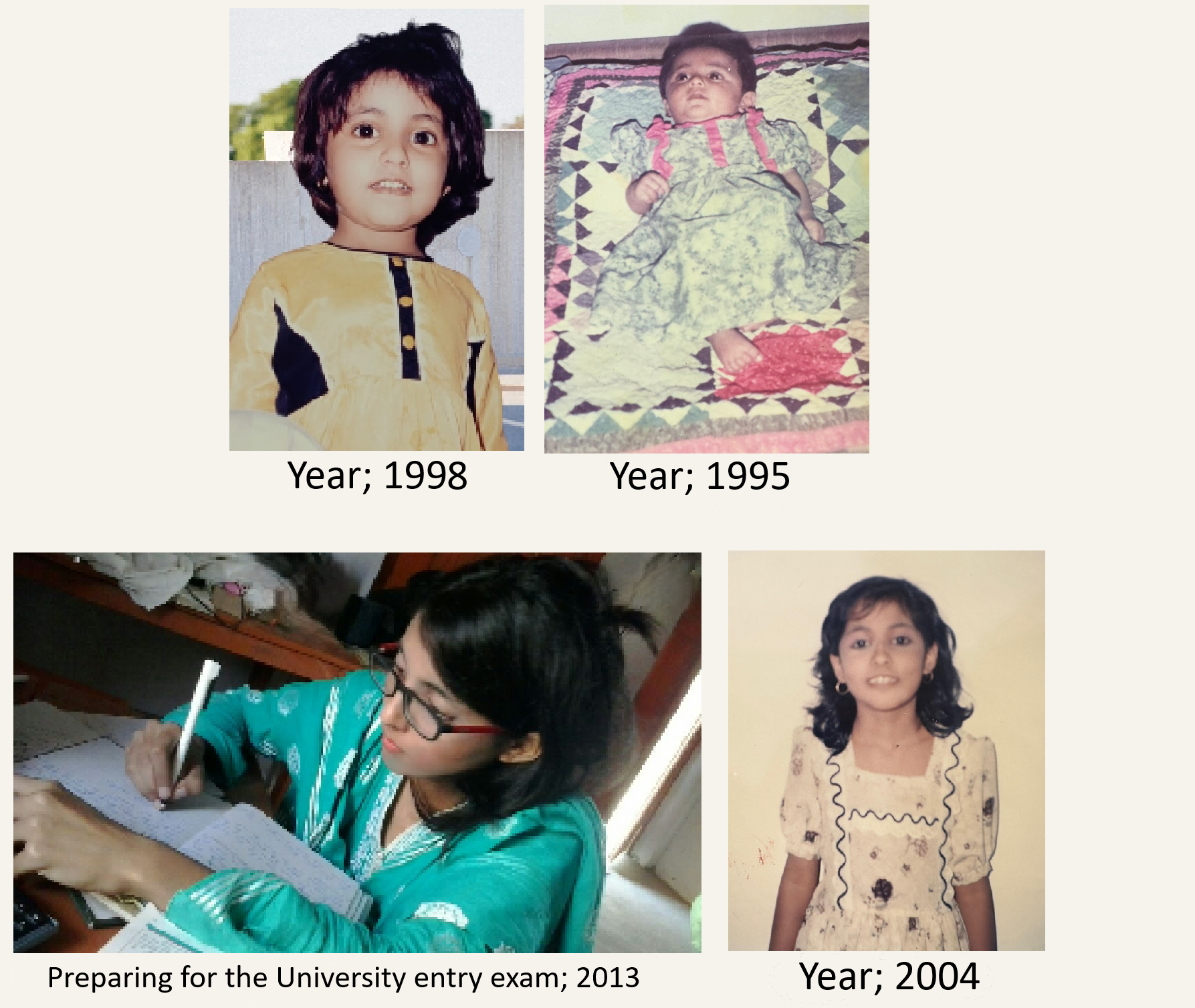
I was born on March 2, 1995, in a village about 126 kilometers from Dadu City, Sindh, Pakistan. My academic journey began in Masso Sahar, a village without a school or classroom, where access to electricity, the internet, and qualified teachers was almost nonexistent.
Books from grades 6 to 10 were written in Sindhi, my first language, and I took this as an opportunity to educate myself in the fundamentals of science. Later, high school-level books were written in English, and I remember translating each English word into Sindhi to understand scientific concepts. Through this process, I gradually learned English and eventually passed my high school examination, which marked the completion of 12 years of education.
Despite the absence of formal schooling, I pursued my education independently, preparing entirely on my own for national examinations, which were the only formal assessments available to me. Through borrowed books, persistence, and curiosity, I completed my primary to high school education as a self-taught learner. Those early years of studying without guidance instilled in me resilience, discipline, and a lifelong passion for science.
2014 - 2017
Bachelor of Science in Biochemistry
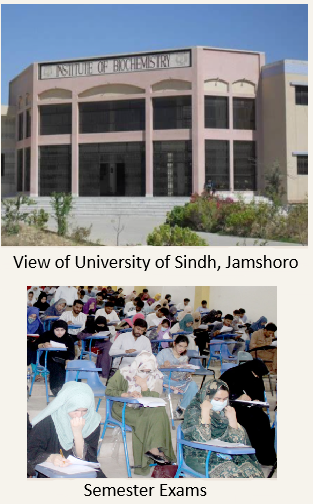
After completing high school, I successfully passed the university entry test and was admitted to the four-year Bachelor’s program in Biochemistry at the University of Sindh, Jamshoro, Pakistan, becoming the first girl in my community to pursue a university degree.
It was during this time that I attended my first formal lectures on biomolecules and cellular processes, a completely new experience, as I was finally learning from teachers and professors in a real classroom. I vividly remember how exciting it felt to connect what I had once learned independently to structured scientific education.
During my undergraduate studies, I developed a deep fascination with how biomolecules interact within the human body and learned to communicate scientifically with peers who shared similar interests.
As part of the program requirements, I completed my first internship in the Hematology Laboratory at Taluka Mehar Hospital, where I learned about hematological tests including WBC, RBC, platelet counts, hematocrit (HCT), hemoglobin (Hb), complete blood count (CBC), and RBC indices.
In addition, I conducted my first research project titled “Effect of Potato Allergy on Different Body Tissues”. This period marked a turning point in my journey, transforming self-taught curiosity into formal scientific inquiry.
2018 - 2020
First Job
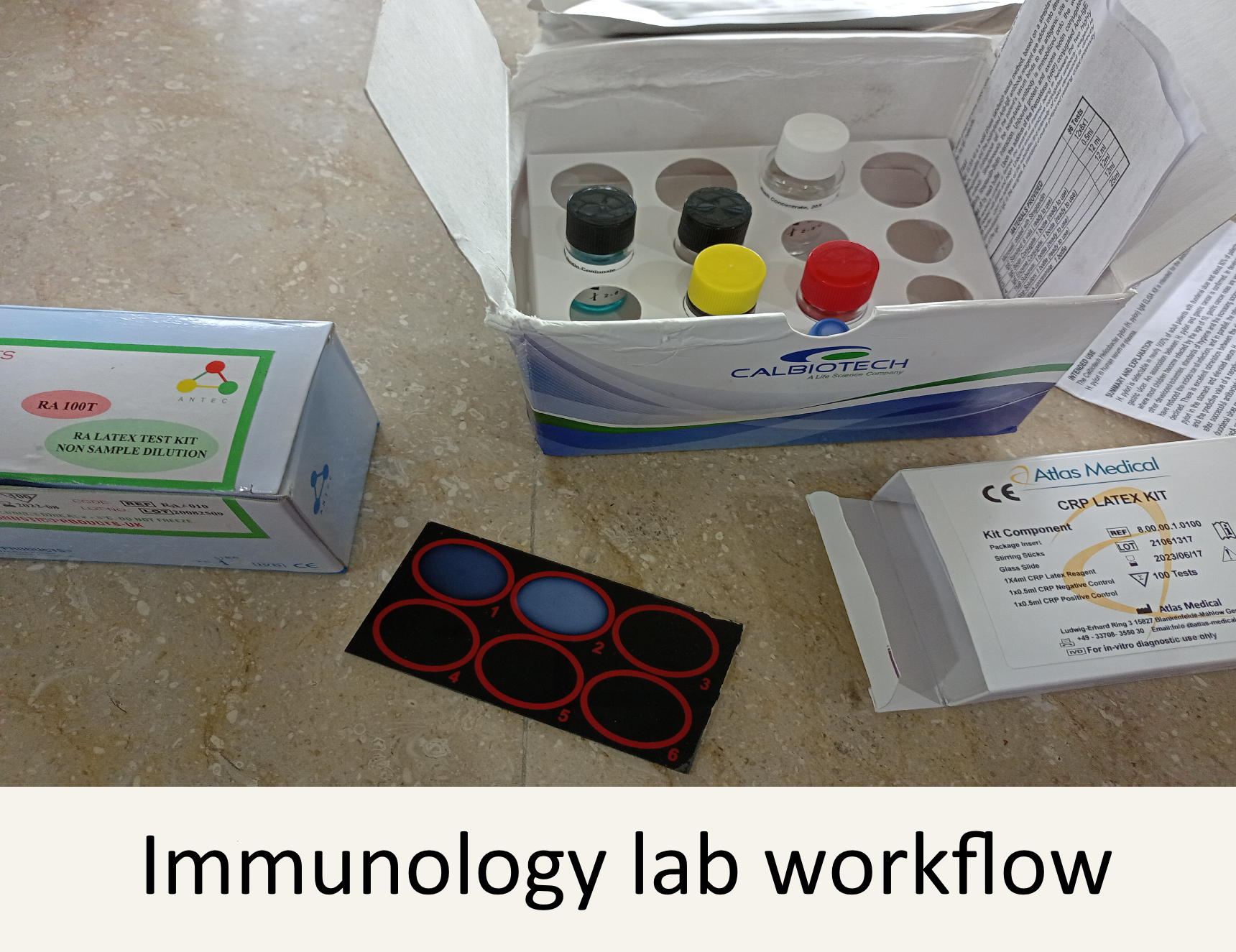
Following my undergraduate studies, I moved from Sindh Province to Islamabad, the capital of Pakistan, to begin my first professional role as a Laboratory Technician at Civic Lab. Over the next two years, I applied the knowledge gained during my biochemistry degree and developed hands-on experience in a professional research setting.
At Civic Lab, I was involved in collecting, preparing, and testing clinical samples to support both diagnostic and research activities. My work included running biochemical assays, preparing reagents, operating analytical instruments, and maintaining accurate lab records. I also contributed to data analysis and report preparation, ensuring the accuracy and reliability of experimental results.
This experience not only strengthened my technical and analytical skills, but also gave me a deeper appreciation for the discipline, precision, and curiosity that drive scientific discovery.
2020 - 2022
Master of Science in Biochemistry and Molecular Biology
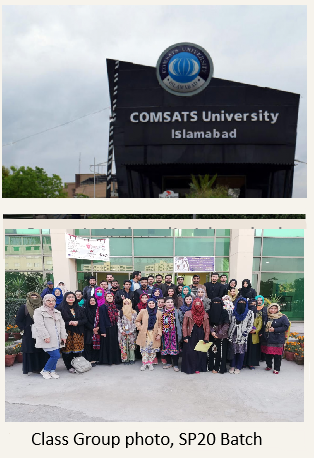
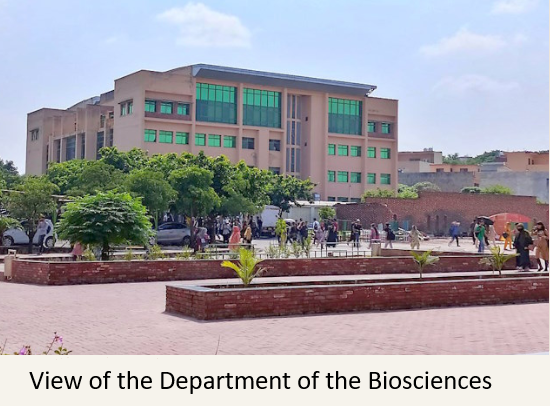
Building on the laboratory foundation I had gained during my first professional role, I decided to specialize further in my field. To achieve this, I pursued a Master of Science in Biochemistry and Molecular Biology (2-year program) at COMSATS University Islamabad, Pakistan, deepening my understanding of molecular mechanisms and strengthening my research expertise. The program offered advanced coursework in biochemistry, genetics, gene regulation and expression, and neuroscience, complemented by extensive laboratory training. It also included interdisciplinary courses such as advanced biofuel technologies, developmental biology, epidemiology, and report writing and seminar, which broadened my scientific perspective beyond my core discipline. I graduated among the top 10% of my class.
Under the supervision of Dr. Ramla Shahid, I conducted my thesis research titled “Identification of miR-145 as a Biomarker in Breast Cancer.” This study aimed to analyze and validate the expression of miR-145 as a potential biomarker for breast cancer among the Pakistani population. Using RT-PCR, we compared miR-145 expression in breast cancer tissues and adjacent normal tissues and found that miR-145 was non-significantly downregulated in tumor samples. These findings indicate that studies with larger cohorts are needed to clarify its role as a diagnostic biomarker in breast cancer.
Through this research, I gained hands-on experience with advanced molecular techniques, including RNA extraction, quantification, primer design and optimization, cDNA synthesis, RT-PCR, and gel electrophoresis, along with exposure to bioinformatics tools for sequence analysis and data interpretation.
This experience taught me how to design complete research workflows, from developing methodologies and collecting clinical samples to performing wet-lab experiments and analyzing molecular data, marking a pivotal transition from diagnostic laboratory work to independent molecular research.
2022
Internship | National Institute of Health (NIH), Pakistan, Public Health Laboratory
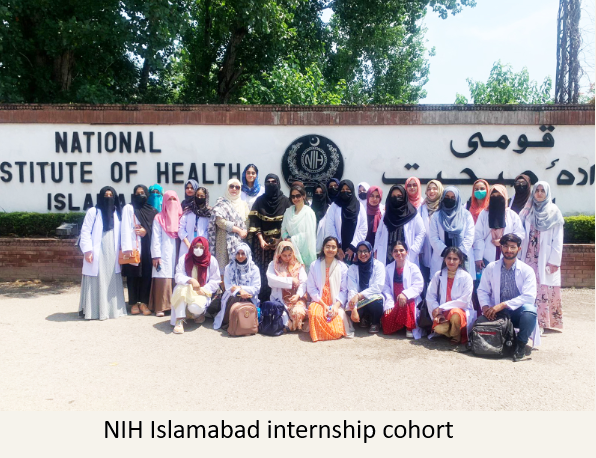
Following the completion of my master’s degree, I joined the National Institute of Health (NIH) in Islamabad, Pakistan, as an intern in the Public Health Laboratory, where I worked for two months. This internship provided me with the opportunity to apply my molecular biology and biochemistry knowledge to real-world health research.
At NIH, I worked on RNA-based molecular diagnostics, contributing to projects focused on the detection and analysis of infectious diseases. My role involved RNA extraction, quantification, cDNA synthesis, and PCR analysis, as well as maintaining precise laboratory documentation and data interpretation.
Through this experience, I strengthened my practical understanding of public health-oriented molecular research, learned to operate within a multidisciplinary scientific team, and deepened my appreciation for how RNA technologies contribute to disease surveillance and national health programs.
2022 - 2024
Research Assistant | Cancer Genetics Lab, COMSATS University Islamabad
During this role, I contributed to multiple molecular oncology and bioinformatics projects focused on cancer biomarker discovery and multi-omics data integration. My work involved dataset collection, preprocessing, statistical analysis, and biological interpretation using computational and molecular biology techniques. I utilized R and Python for transcriptomic and genomic data analysis, including differential expression, correlation, and survival analyses across diverse cancer datasets.
The first project was a pan-cancer analysis of GINS complex subunit 4 (GINS4), where we identified its consistent overexpression across multiple cancers and association with poor patient survival, suggesting its potential as a shared oncogenic biomarker.
The second study was a multi-omics investigation of the GNB2 gene, integrating transcriptomic and proteomic datasets from 23 cancer types. The analysis revealed upregulation of GNB2 and highlighted its prognostic significance, particularly in liver and rectal cancers.
Finally, in a third project, we characterized ferroptosis driver genes in head and neck squamous cell carcinoma (HNSC), identifying key regulatory genes such as TP53, PTEN, KRAS, and HRAS as potential diagnostic, prognostic, and therapeutic targets.
Through these projects, I developed expertise in multi-omics integration, gene expression profiling, biomarker identification, and data visualization, combining computational and biological insights to advance translational cancer research.
Following this role, I completed a two-month research internship at the Pakistan Agricultural Research Council (PARC), where I worked on antimicrobial resistance propagation in heat-stressed environments. During this time, I gained hands-on experience in microbiology and molecular biology techniques, including microbial culturing, DNA extraction, and antibiotic susceptibility testing, strengthening my understanding of resistance mechanisms and practical laboratory skills.
2024
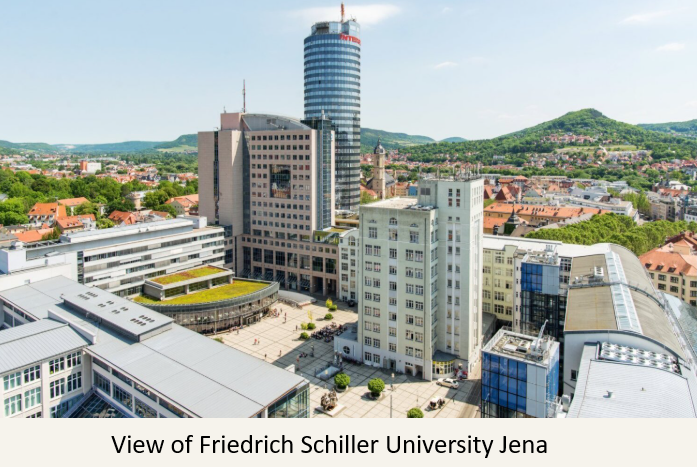
Research Fellow | Friedrich Schiller University Jena, Germany
Through a Research Fellowship at Friedrich Schiller University Jena (Germany), funded by the IZKF, I gained hands-on experience in molecular medicine, virology, proteomics, and translational research. Under faculty supervision at the University Hospital Jena and the Center for Molecular Biomedicine (CMB) Jena, I conducted interdisciplinary projects that strengthened both my technical and analytical skills.
During my laboratory training, I performed viral culture and cell infection assays to study age-related tropism; conducted molecular investigations of Sirt7-mediated differentiation in FLT3-ITD–positive acute myeloid leukemia cells; and gained experience with mass spectrometry techniques and wet-lab procedures, including single-cell protein extraction in the proteomics laboratory, alongside bioinformatics analysis using tools such as Perseus. I also participated in psychiatric research, contributing to MR measurements, clinical interviews, and neuropsychological assessments.
Beyond the bench, I presented research findings to international and multidisciplinary teams, further enhancing my scientific communication, collaboration, and presentation skills.
2024 - 2026
Research Assistant | Cancer Lab, Shifa Tameer-e-Millat University (STMU)
After receiving advanced training through the Summer School of Molecular Medicine in Jena, Germany, I joined the Cancer Lab at Shifa Tameer-e-Millat University (STMU), Pakistan, as a Research Assistant. I was part of a research team working on a translational hematology project that integrated molecular and cytogenetic profiling to identify genetic abnormalities, monitor minimal residual disease (MRD), and stratify acute myeloid leukemia (AML) risk according to ELN guidelines, thereby supporting personalized therapeutic decisions.
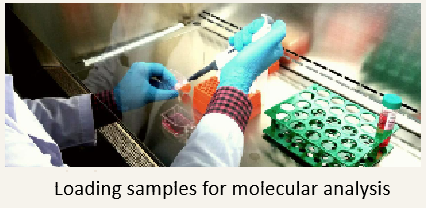
In this role, I performed DNA/RNA extraction, flow cytometry, cytogenetic analysis, quantitative PCR (qPCR), and next-generation sequencing (NGS), while also analyzing molecular data to assist clinicians in risk stratification and precision treatment planning for AML patients.
2026
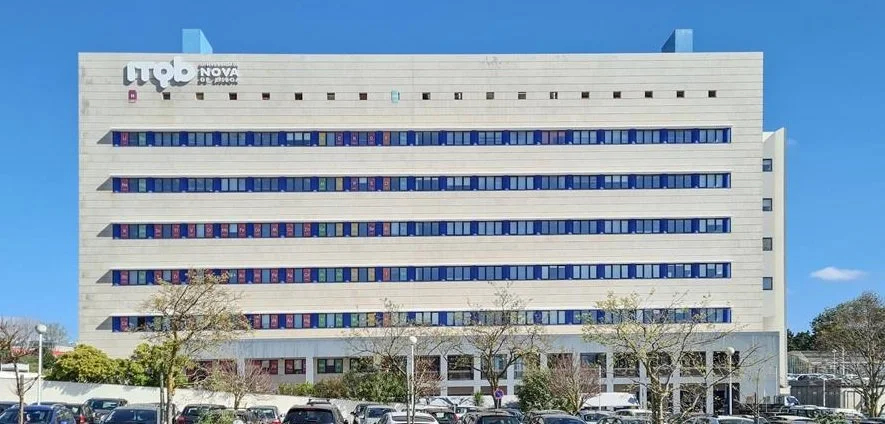
Research Fellow | Instituto de Tecnologia Química e Biológica António Xavier (ITQB NOVA), Portugal
Currently, I am working at the Instituto de Tecnologia Química e Biológica António Xavier (ITQB NOVA), Portugal, on an exploratory project focused on metabolic disorders, investigating biomolecular systems with potential applications in diagnostics and therapeutics.
After building a strong foundation in molecular and translational research, I am now motivated to pursue a PhD focused on the mechanistic basis of transcriptional regulation and biomolecular dynamics, particularly in the context of disease-associated gene regulatory networks.
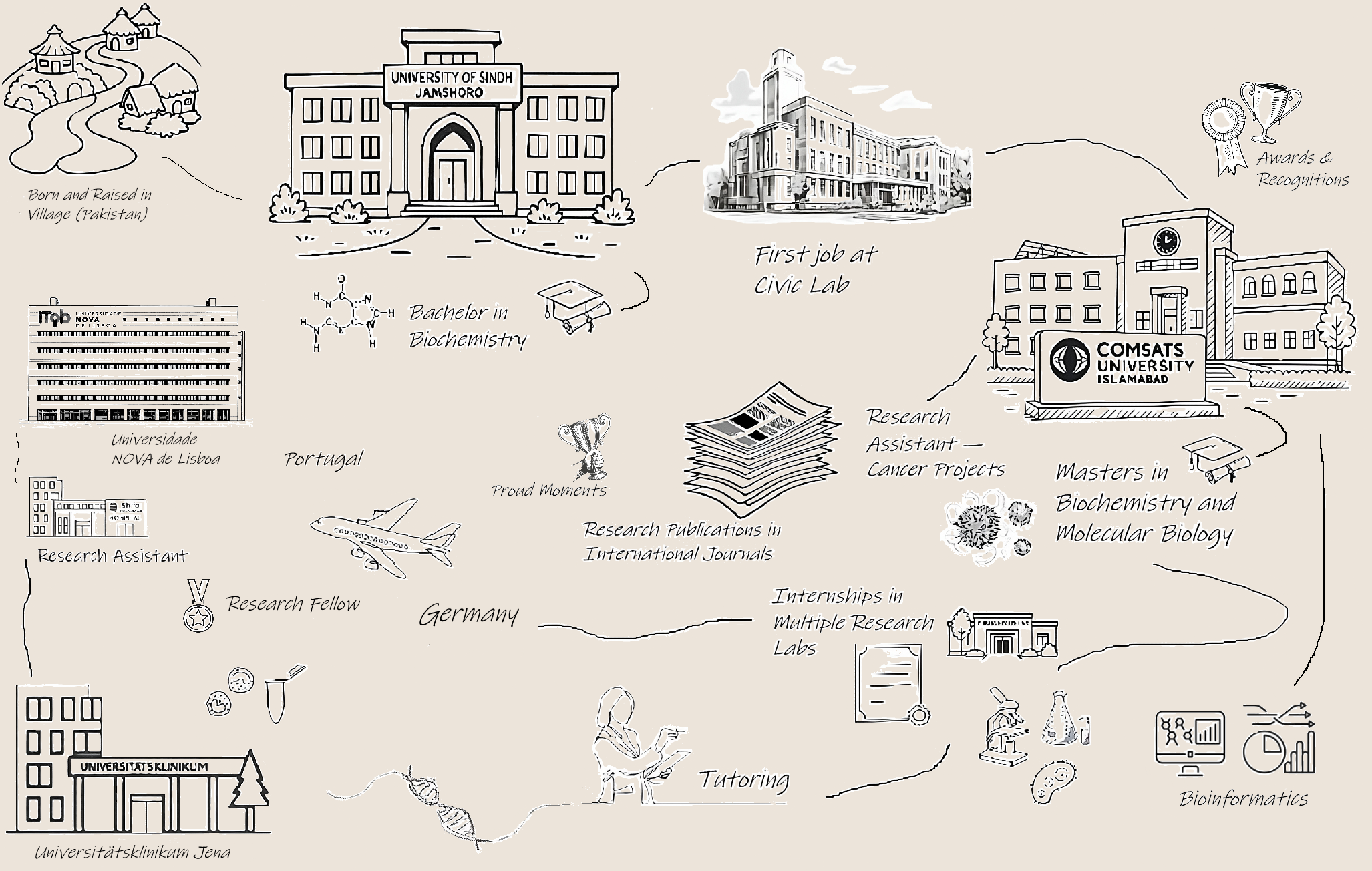
From a self-taught student in a rural village to an internationally trained molecular researcher